



How to make a solid mix?
Mixing, in my view, is a delicate task of curation, shaping, engineering, and psychology. And to do it well, it helps to understand theory that we can translate into practice.
What changes in level will we actually perceive, and are our brushstrokes coarse or subtle? How do we set a compressor with the intention of achieving a specific effect—solving the small problem we hear in our drum group? How do we create and maintain the right energy for a track—dub techno versus psychedelic rock? And to what extent is mixing an art?
To build a stable foundation for our work, we can rely on theoretical knowledge offered by the world of sound: wave science, graphs, research and experimentation, acoustics, psychoacoustic perception, anatomy, frequency masking, differences between analog and digital, microphones, signal processors, and history.
We’ll move between the technical and the artistic, growing as listeners—aiming to become connoisseurs of frequencies, true aficionados of sound.
What do we learn?
There’s no greater satisfaction than being able to look ahead to the result we want to achieve in our mix—and from there, reaching for the right processor and making the right move.
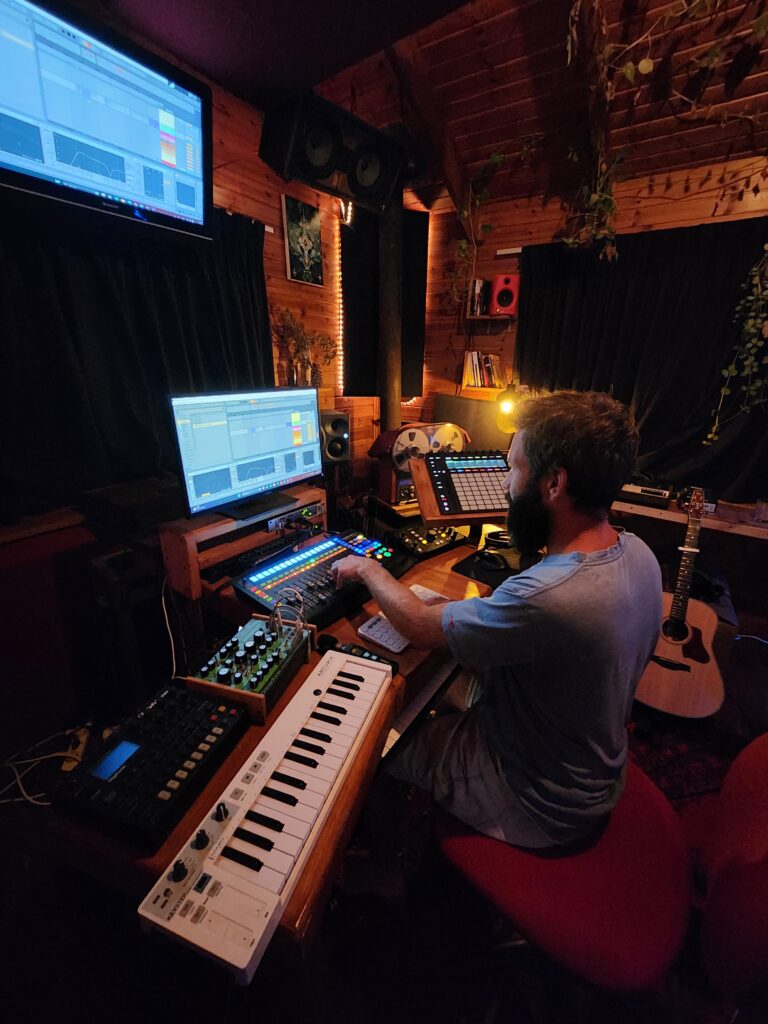
We’ll study the theoretical side of sound science alongside hands-on exercises and a deep familiarity with audio processing tools. We’ll work on recorded projects as well as your own material, helping you reach the tone and level of finish you’re aiming for.
You don’t have to understand Fourier Transform mathematically—but it’s important to know that it’s what’s behind the EQ in your DAW, and why its visualization can sometimes mislead us. We’ll look at the McGurk effect and how much it really matters to mix with your ears rather than your eyes. We’ll understand how, anatomically, the cochlea and ear canal relate to the Fletcher–Munson curves.
We’ll work on projects together, sharpen your auditory cognition, and learn to distinguish between a strong source and the “glass ceiling” of an average one. We’ll refine terms that may sound basic but are often misunderstood—what is SNR, and how do plugins affect it? What’s the difference between presence and treble? Are you unintentionally destroying the air band of your instruments with EQ?
We’ll define the criteria that lead to a solid mix—and examine how quickly we tend to reach for tools before truly, carefully listening to what’s in front of us.
Process, like back in the days
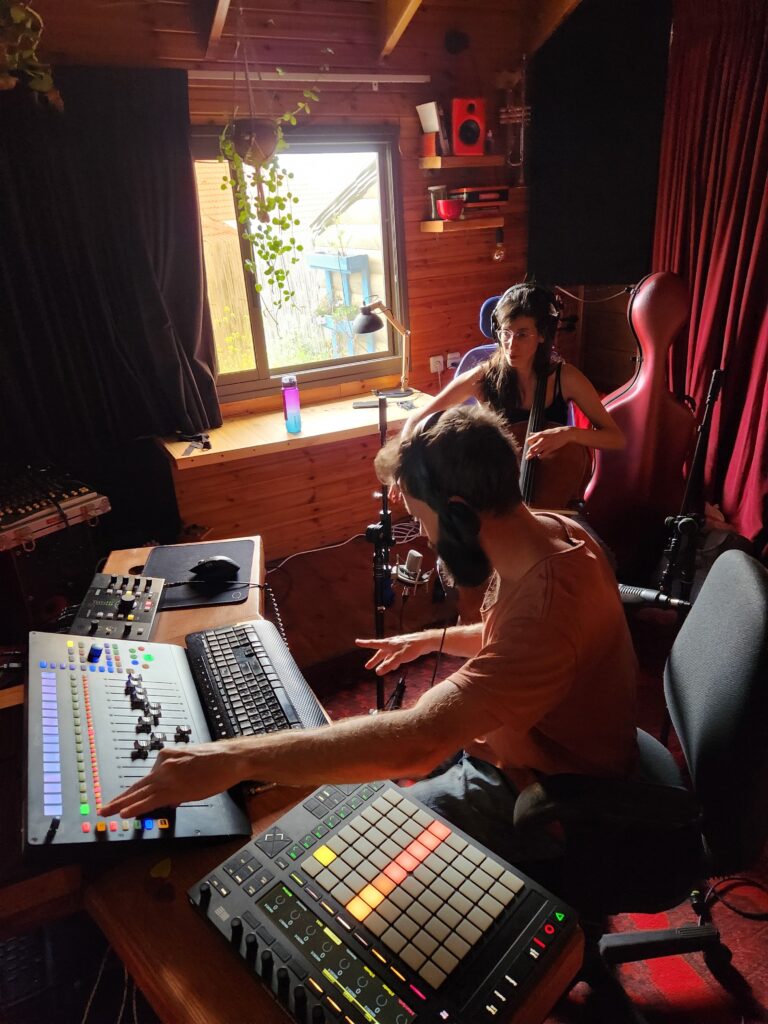
There was a time when we used to learn in depth—and it was a pleasure. We could savor the process, get excited by it, become explorers for a moment, ask questions, and let our knowledge and curiosity branch out—rather than settling for tips and tricks that don’t necessarily lead to real understanding. Those who are looking for that kind of depth—before content became fragmented into scattered puzzle pieces across media—will find it here, and gain essential skills along the way.
Pracically Speaking
I offer a structured process that will take us from point A to point B—first expanding our understanding of sound as a phenomenon, giving us new categories to think and speak in, sharpening and solidifying key concepts. We’ll also touch on the “old world”—its beauty and character—not necessarily for the sound itself, but for the workflow, the forward-thinking mindset, and making decisions with a clear sense of where we want to go. I invite you to join a solid package of X lessons. We’ll define in advance exactly what we’ll cover, and I’ll guide you with genuine support for your desire to learn—through constructive, positive feedback, without judgment. A space where you feel comfortable saying: I don’t know, I disagree, prove it, I get it. This sounds better, this sounds worse, I don’t hear any difference in this ratio. Wow—yes, that added body to the bass. The goal is always the same: to experiment, to stay hands-on.
What's an online lesson?
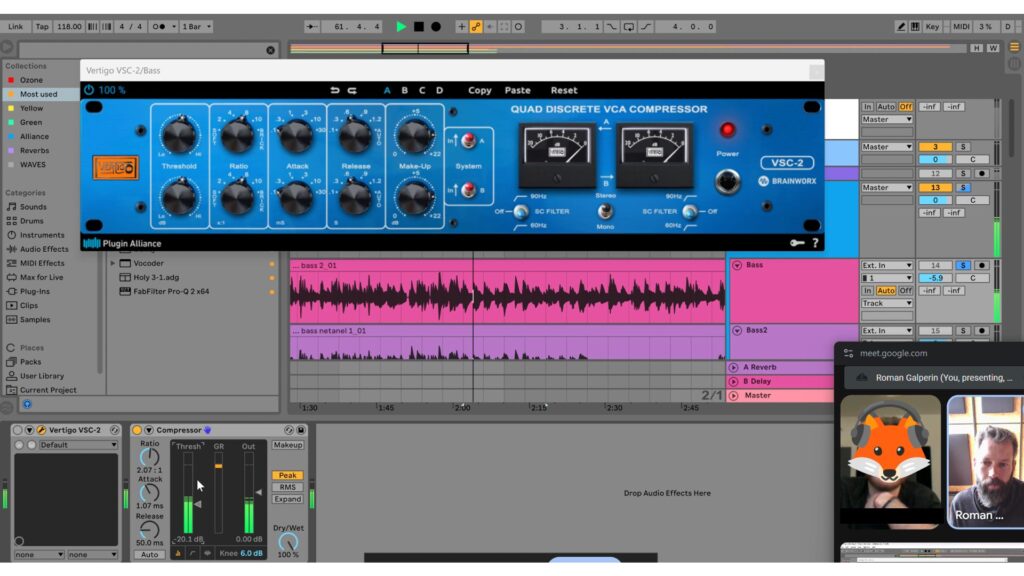
The lessons are conducted via Google Meet, using Audiomovers ListenTo, which is essentially the current standard for online work. The audio quality is excellent—students can attest to that. It’s convenient, no need to travel. Sound quality depends only on your internet speed and can reach PCM 24-bit with very low latency. We share screen, we share audio—it runs smoothly.
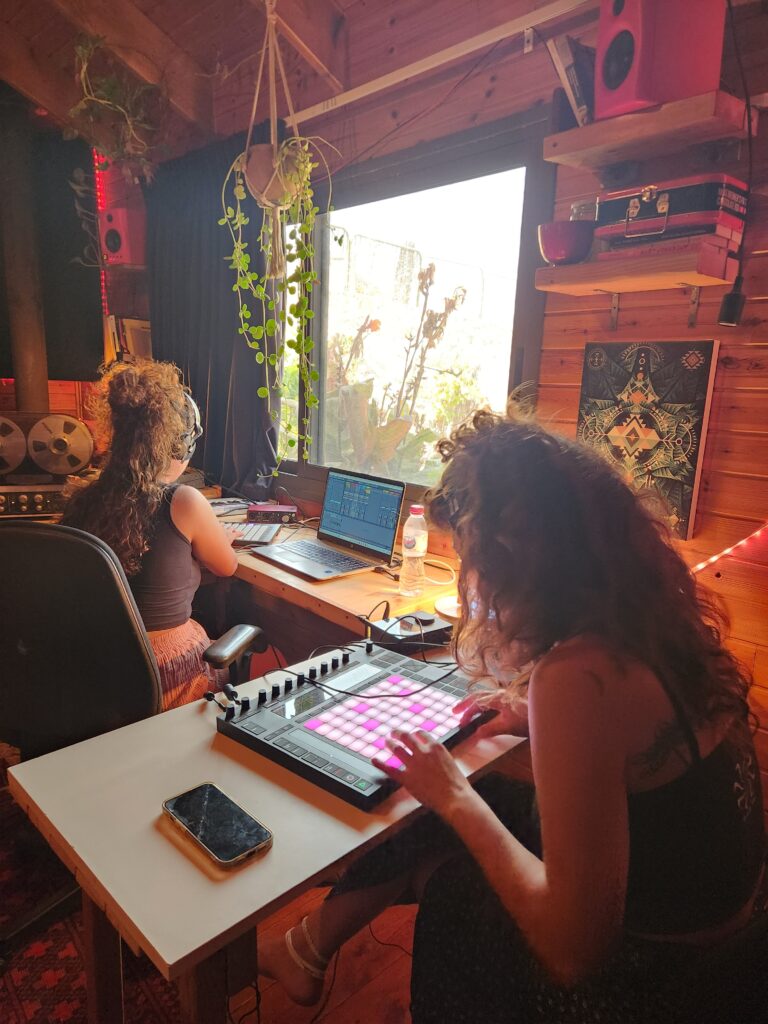
1 on 1 lessons
Pricing
10 hour pack
Cost: 900 USD Lesson duration: 1 or 2 hours, depending on what we decide. Validity: 3 months.
The Flow
We’ll start by getting to know each other—listening and understanding where you’re currently at. From there, we’ll tailor the content accordingly.
20 hour pack
Cost: 1500 USD Lesson duration: 1 or 2 hours, depending on the student. Validity: 4 months.
...
We’ll get to know you as a creator, understand your current challenges, and define clear goals. We’ll dive deep into sound—thoroughly and fundamentally. We’ll move between theory and hands-on project work, analyzing and working on both your material and projects I’ll share. We’ll cover tools, go deep into mixing, and also touch on recording.
Check out projects
From folk, through rock, to Electronic music
Get in touch and we’ll tailor your course
ללהקות, דואו & אמנים סולו
Get in Touch
- roman@resonancerecordings.com